When you walk into an authentic Italian restaurant in Tirana, you enter a world shaped by centuries of tradition.Italian Food Culture goes far beyond just eating good food. It represents a cultural experience where every meal tells a story and every course follows unwritten rules that Italians learn from childhood.
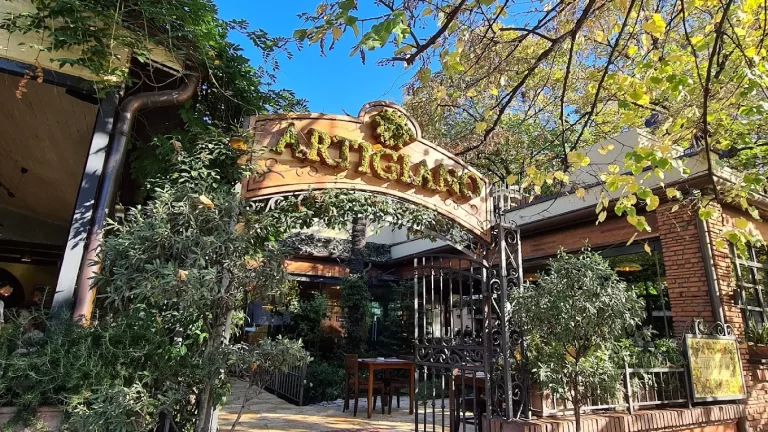
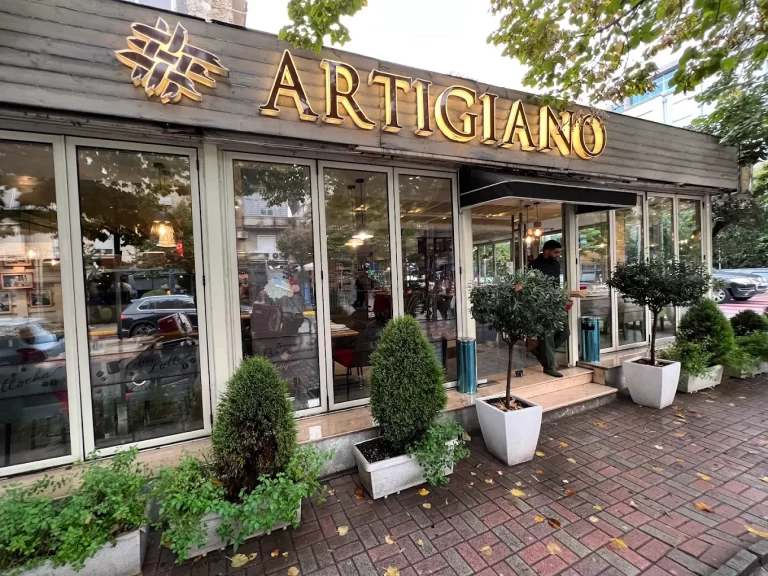
Many tourists miss out on the full Italian dining experience because they don’t know these customs. At Artigiano, we bring genuine Italian food culture to Albania’s capital, helping visitors and locals alike discover how Italians really eat.
The Italian Meal Structure Makes Sense
Italian meals follow a logical progression that might seem complicated at the start but actually enhances your enjoyment. The structure exists for good reasons related to digestion, flavor progression, and social interaction.
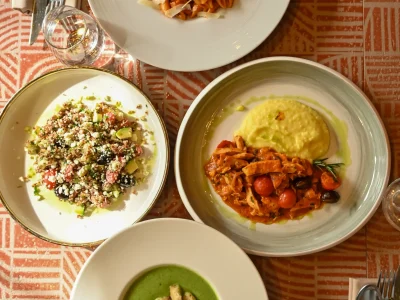
Antipasto comes at the beginning as a way to wake up your appetite. These small appetizers prepare your palate for what comes next. You might enjoy fresh burrata with cherry tomatoes or crispy tempura shrimp. Italians keep this course light because bigger flavors arrive soon.
The primo piatto follows as your first main course. This usually means pasta, risotto, or soup. Contrary to what many tourists think, pasta doesn’t serve as a side dish in Italian dining. It stands alone as a complete course that deserves your full attention. When you order handmade tagliatelle or truffle ravioli at an Italian restaurant, you eat it before moving on to anything else.
Secondo piatto brings protein to the table. Grilled salmon, veal fillet, or other main proteins arrive after you finish your pasta. This might feel strange if you come from countries where everything arrives at once, but the separation allows you to appreciate each dish properly. Your taste buds reset between courses, making each flavor profile distinct and memorable.
Contorno refers to vegetable side dishes that accompany your secondo. Fresh seasonal vegetables prepared simply with olive oil and herbs complement rather than compete with the main protein.
Dolce arrives as the sweet ending to your meal. Italian desserts like tiramisu or panna cotta provide a satisfying conclusion without being too heavy. Coffee follows dessert, never arrives with it.
Coffee Rules Matter More Than You Think
Italians take their coffee seriously and follow strict timing rules. Cappuccino only appears at breakfast time or very early morning. Order a cappuccino after lunch and Italians will spot you as a tourist immediately. The milk in cappuccino supposedly interferes with digestion after heavy meals.
Espresso serves as the proper after-meal coffee. This small, strong shot of caffeine aids digestion and provides the perfect ending to lunch or dinner. You drink it quickly at the bar rather than sipping it slowly at your table.
Many restaurants in Tirana now serve authentic Italian espresso made from quality beans. The barista pulls each shot fresh to order, creating that perfect crema on top that indicates proper extraction.
Bread Serves a Purpose Beyond Filling Up
In authentic Italian dining, bread arrives at the table but not for the reasons you might expect. Italians don’t load up on bread before the meal arrives. They use it strategically to clean their plates between courses, soaking up leftover sauce or oil.
You won’t find butter with your bread at genuine Italian restaurants. Olive oil sometimes appears for dipping, especially with focaccia, but plain bread serves mainly as a utensil for managing sauces. This habit dates back generations when wasting food was unthinkable and every drop of sauce mattered.
Timing Reveals Italian Priorities
Italian meals take time, and rushing through dinner would insult both the food and your dining companions. Lunch typically runs from 12:30 to 2:30 PM, with many businesses closing during this period. Dinner starts around 7:30 or 8:00 PM and can last for hours.
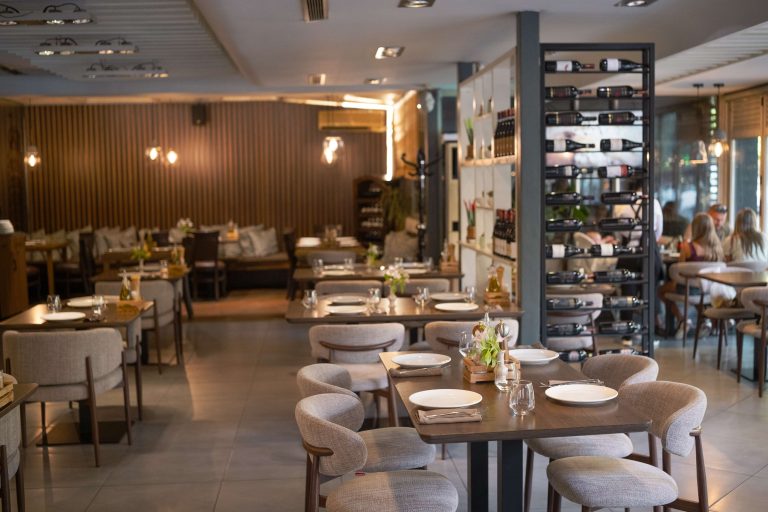
This leisurely pace doesn’t mean slow service. It means creating space for conversation, savoring each course, and treating meals as social events rather than fuel stops. When you dine at Artigiano, we encourage you to relax and enjoy the experience without watching the clock.
Wine Accompanies Food, Not the Other Way Around
Italians drink wine with meals, not before them. Wine serves to complement and enhance food flavors rather than as a separate activity. You rarely see Italians drinking wine without food present.
Choosing wine follows certain patterns. Red wine pairs with red meat and rich pasta sauces. White wine accompanies fish and seafood. The region where your food comes from often determines the wine selection, as local wines naturally complement local dishes.
At restaurants offering authentic Italian cuisine, the wine list includes both Italian and Albanian selections. Albanian wine has improved dramatically in recent years, and pairing local wine with Italian food creates interesting flavor combinations.
Portion Sizes Follow Different Logic
Italian portions might seem smaller than what you expect from other cuisines. This happens because you eat multiple courses rather than one giant plate. Each course satisfies without overwhelming, leaving room for what comes next.
Pizza represents an exception. In Italy, pizza often serves as a complete meal rather than an appetizer or course within a larger dinner. When you order Neapolitan pizza made with 24-hour fermented dough, the size and richness make it substantial enough to stand alone.
Authenticity Means Following the Season
Italian cooking celebrates seasonal ingredients, and menus change throughout the year. Summer brings fresh tomatoes and basil. Autumn introduces mushrooms and truffles. Winter features heartier vegetables and braised meats.
Restaurants maintaining Italian authenticity adjust their offerings as ingredients come into season. You won’t find tomato-based dishes at their peak in winter or heavy meat ragù during summer’s heat. This connection to seasons keeps food fresh and flavors at their strongest.
When you visit Artigiano in Tirana, these traditions come to life through carefully prepared dishes that honor Italian customs. From the wood-fired pizza ovens reaching perfect Neapolitan temperatures to the handmade pasta prepared daily using traditional techniques, every element respects Italian food culture.
Learning these dining customs enhances your experience and shows respect for the culture behind the cuisine. Whether you visit for a business lunch at our Blloku location or a romantic dinner at our Vila restaurant, knowing how Italians approach their meals helps you appreciate both the food and the traditions that shaped it.
For those who want to explore our authentic Italian offerings further, browse our complete menu to see how we honor these centuries-old traditions. You can also order delivery to enjoy genuine Italian dining customs from the comfort of your home, or consider our catering services for your next special event.